
Leslie Robinson, an older adult in Lansdale, PA, discovered one day that her credit card was charged for a number of small ($2.99) transactions for additional Google disk space. In 2019, when this happened, if you wanted more storage for your Google account, you could sign up with a credit card and add more storage. However, scammers were handing out her card number to use so that these fraudulent accounts could purchase more storage.
 Likewise, I had a client where the credit card started getting a monthly charge of around $5/month to Patreon for an account holder in England. In addition to the monthly “donation” she was making to this Patreon user, she was also paying international conversion bank charges as well.
A similar scam occurs when a website gets you to subscribe to a monthly charge, even though you might be under the impression it is a free trial or otherwise is a one-time cost. When the charge appears on your credit card, you think nothing of the original charge.
In each case, the scammer hopes that you don’t look at your statement closely, and that the charged amount is low enough not to bother with. The solution for these situations would seem simple. Contact the credit card fraud department and let them know there was fraud on the account. They will immediately cancel the card and issue a new card.
Problem Solved – Or Is It?
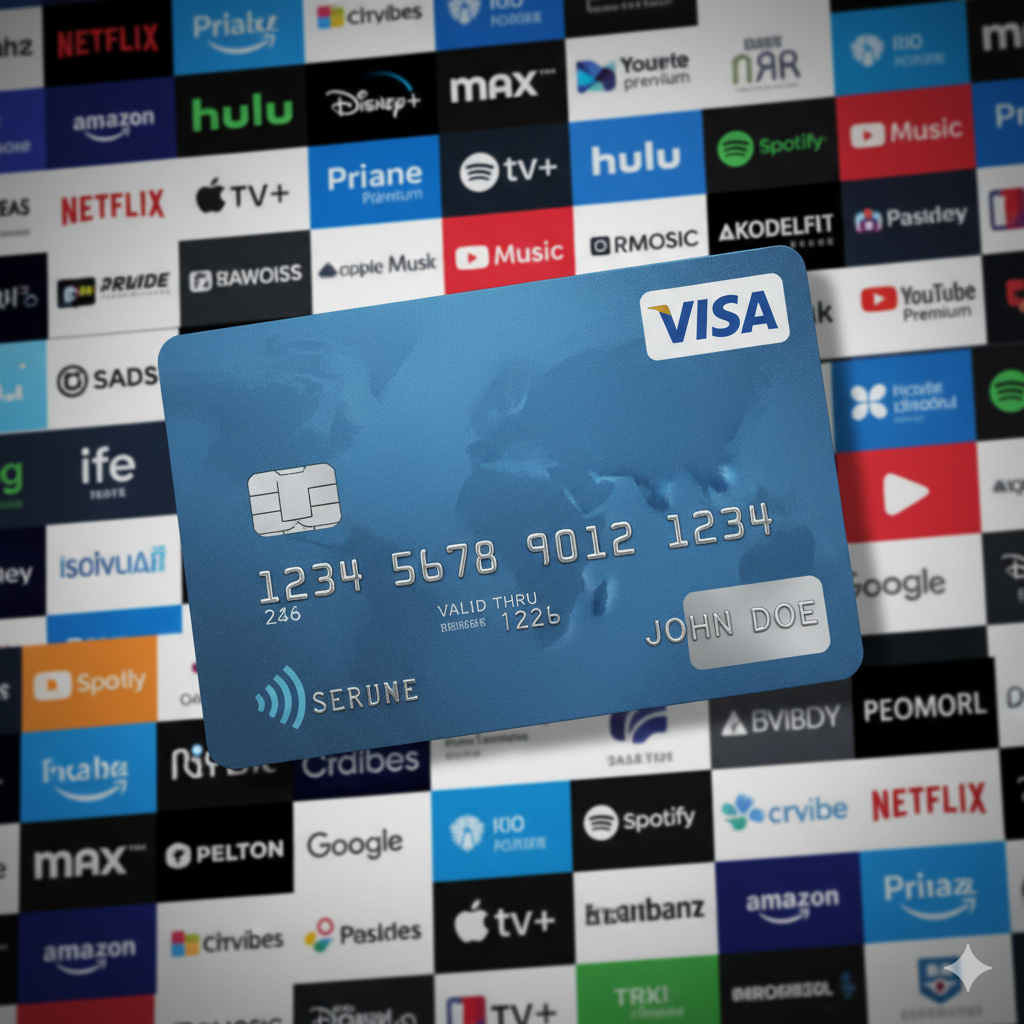
But that doesn’t stop the problem. Because these are subscriptions – recurring monthly charges – the credit card company is automatically providing vendors of recurring charges the new number. It’s a feature that VISA and other card issuers have implemented to keep the user from having to go in and enter new credit card information for all of their subscriptions and other recurring charges. (Millennials have an average of 17 services!)
Think about how many subscriptions you have that are monthly charges: newspaper or magazine subscriptions, premium app services, streaming services. All are examples of regular recurring charges to your credit card. It would take a lot of time and effort to update the card on file with all of these vendors. This service, called the VISA Account Updater (VAU) for VISA, automatically sends updated card information to all of the vendors you do business with as a recurring charge.
VISA likes this because when a replacement card is issued, they don’t have a lot of rejected charges on a closed account. Merchants like it because their charges continue to go through without dealing with a rejection and resubscription. And if you are a Millennial, you might like this effort-saving feature for those 17 accounts as well!
How To Cut Off Those Recurring Payments
In order to fix this problem if a scammer has attached a subscription to your card, go ahead and let the card issuer know there is fraud on the card and let them replace the card. Once you have the new card, if these scam charges appear again, then contact the card issuer again but this time request a dispute (or chargeback) for that merchant. This will not allow the scammer to make any more charges against that card.
Another way is to request that the automatic VAU be disabled for your account when you request that replacement card. However, several people have reported that this doesn’t work, or their bank will say it cannot change the VAU service for your account. So, this method may have more limited success than the first method.
This scam highlights why it is important to keep credit card purchase receipts and reconcile the credit card statement with the receipts each month. However, even if you don’t go to that level of monitoring, you should at least scan every statement when it becomes available and review all charges. This is particularly important to do if both you and your spouse or partner use the same card, as there is a tendency to just assume that the partner made the charge.
Want more of this?
This is one of three articles we sent to our subscribers this month. If you subscribe to our newsletter you’ll get additional content not found in our blog. Plus, the newsletter will be delivered to your inbox automatically. Subscribe Now