
My parents were fiscally conservative spenders, but this started from a perspective of necessity. My parents were typical of many of their generation as they were children of parents who went through the Great Depression. Like many couples in that era, they didn’t have a lot of money when they first got married and so needed to keep a tight rein on spending.
From those habits, I also learned many of the same skills they used in our household growing up.
Pay Off The Credit Cards
Although they had established themselves by the 1970s, my parents always paid off the full balance of their credit cards when the statement came. That lesson helped me well as I learned that use of credit cards was just an alternative to carrying large amounts of cash, rather than as a personal loan. That meant that the money had to be in the checking account to pay for anything that I was purchasing with a credit card. If I didn’t have the money to write a check for it, then I didn’t use a credit card for it either.
Back then, credit card companies were restricted from charging more than an annual interest rate around 14-18%. This was because many states limited the maximum interest rate that could be charged. In the 1970s, inflation was often higher than the rate they could charge and in 1978, a supreme court ruling allowed banks to charge the rate of the state they were chartered in, so many banks moved to Delaware where there was no limit. That’s how credit card interest rates approaching 30% are able to be charged. I’m very happy that I’ve learned to pay off the cards on-time.
Use Cash for Spending When Possible
Another lesson was related to cash spending. Usually about once a month, mom would write a check to herself and take it to the bank to get cash (in one of those cute cash-sized envelopes). That cash was expected to last the whole month. Through observing this behavior, I learned the value of budgeting, and how to budget cash over a period of time.
As we continue to move toward a cashless society, it seems almost old-fashioned to actually pay with cash. However, there is a psychological impact of seeing a physical pile of bills get smaller that is very different than the impact of seeing a number on an app get smaller. I will admit that I use my credit card more than cash since Covid, but I still limit my monthly spending.
Saving Is Important
In our house growing up, mom and dad had a savings account in addition to the checking account. Money was regularly added to the savings account, and that was used for things like purchasing cars, big house repairs or purchases, and vacations. They taught me the value of having an emergency fund so that when it was necessary to spend larger amounts, the money for monthly expenses wasn’t impacted.
From this learning, my emergency fund was funded as soon as possible after getting a job. I realized that jobs are not guaranteed and having an emergency fund could make a big difference if I was between jobs. In addition, I put money aside in savings to purchase larger items (like a car) with cash rather than with a loan.
Live Below Your Means
This is probably the single most important aspect of my parent’s financial life that made my life what it is. While having a good paying job helped, the concept of spending less than I earned made all of the other areas possible.
My dad also taught me to live below my means and to save (and give away) what I didn’t need to live on. We didn’t live extravagantly, and in fact, it was only in the 1970s when our family got our first color TV (after the 1960s black-and-white finally faded too much). I also observed that dad always tipped well as he showed gratitude to the people who provided services. By living below my income, I had the extra funds available to tip and donate.
The concept is easy on paper, but requires a potential change in habits. Ultimately, it comes down to being satisfied with what you have already.
Division of Work for Married Couples
Mom and dad taught me the value of tracking finances as well as division of work for a married couple. I have memories of dad sitting at the dining room table each week and writing out the checks for expenses.
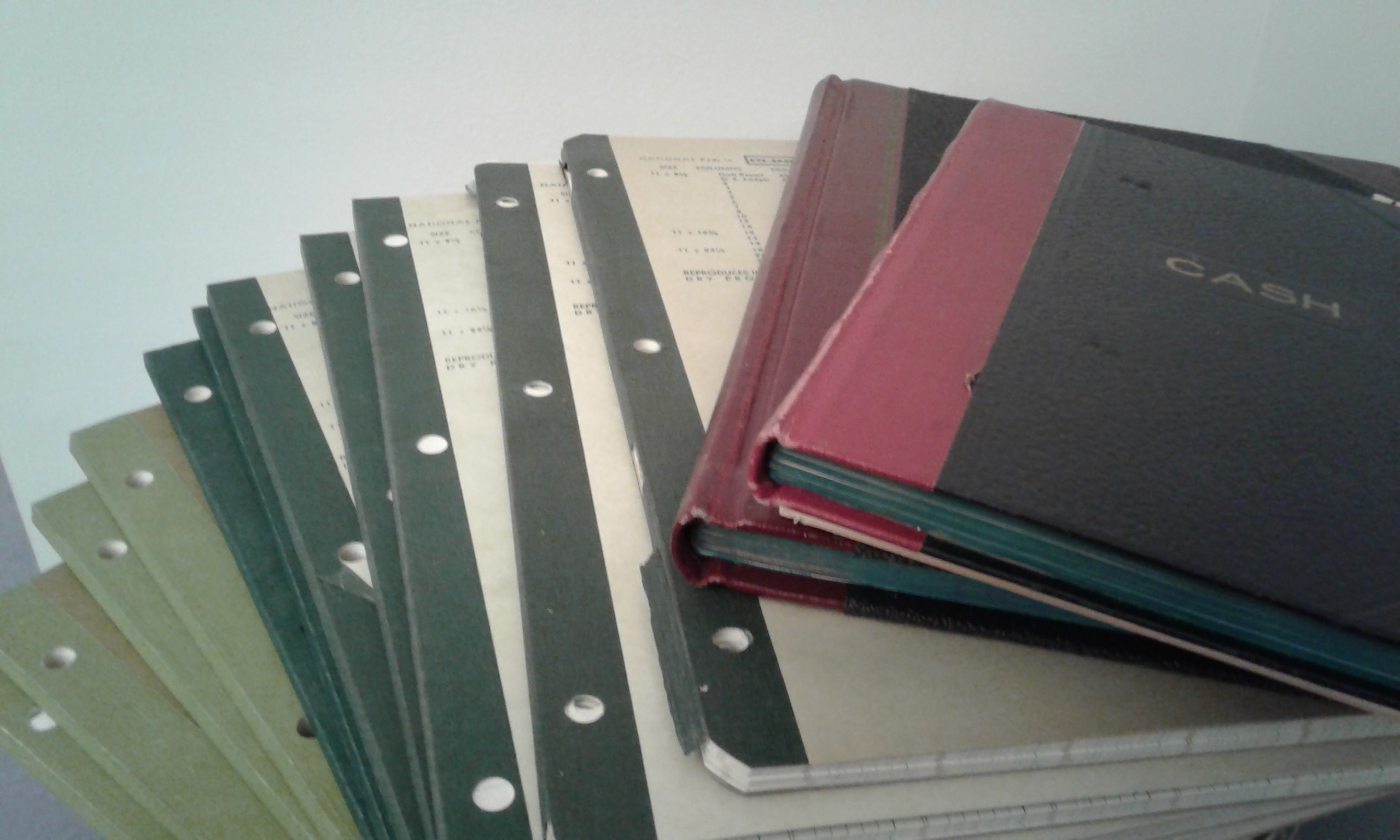
Mom was the one who kept the books (They kept their expense tracking spreadsheets – real paper ones! – going back to when they got married in 1954). Once a month, she would take all the receipts out of her receipt box and write in the accounting book each expense, date, how much it was, and what category the expense went in. Each month was totaled by category. I found an entry in the books for a baby gift to my aunt who gave birth to my cousin two weeks after I was born! When expenses and income were tight, that tracking showed quickly where the money was going to make decisions of what to cut if necessary.
I was fortunate to have parents who taught me good financial skills. It is through learning those lessons that I am able to help my clients as a daily money manager.