
If you are a fan of Elvis, you may have read about a situation in which his Tennessee home Graceland was up for foreclosure. Indeed, an investment company said that it loaned money to deceased daughter Lisa Marie with the famous home as collateral on the loan. The company claimed that the loan was never paid back and so they now owned the home and were planning to sell it.
Except it was a brazen scam and an attempt to sell a property fraudulently. It turned out that the so-called investment company had forged documents including notary signatures and the sale was stopped when the notary testified that she had not notarized the documents that had her name on them.
If Graceland Can Be Scammed, So Can You
Graceland is not the only property where this is happening. And unfortunately, not everyone has a property that attracts attention when it is up for foreclosure or other sale. The result is scammers selling people’s homes to unsuspecting buyers, or even transferring the properties to themselves and taking out large loans against the equity in the property. According to Delaware estate attorney Brian Funk, he is seeing a large increase in these scams over the past year.
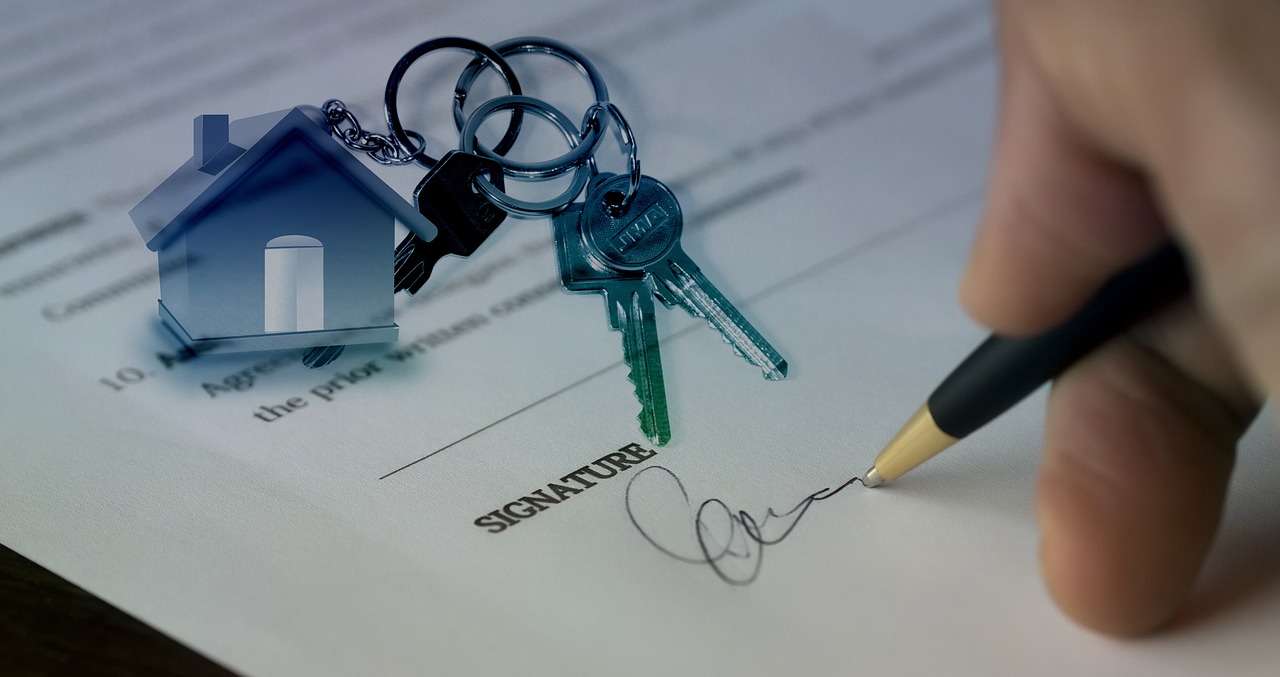 Both real estate agents and estate attorneys are seeing more situations of this type of fraud. According to Brian part of the reason for the increase is because many of the previous types of scams people are now aware of and so they are less successful. In addition, the combination of the introduction of remote signing and notarizing of documents (during Covid), and technology improvements now make it possible for scammers to fraudulently represent themselves as the owners of a property. It is easy to create fake IDs such as driver licenses and fake notary signatures and stamps so that a scammer can fairly easily appear to be the owner of the property from documents.
How These Scams Are Being Addressed In The Industry
Both real estate attorneys and real estate agents are now being much more formal in their dealings with sellers to make sure that the seller really is the owner of the property. Several aspects of a fraudulent seller generate red flags, according to Brian. One is that often a fraudulent seller will take the first buyer offer and doesn’t appear to know the value of the property. Another is that the seller doesn’t want to get on a Zoom call or meet in person.
When asked how he makes sure the seller is the real owner of the property, Brian listed a few methods. First, he’ll request the seller to show up in person for the transfer. Since there are valid reasons why a seller might not be able to do that, such as moving to a new location, he will request that they get their paperwork notarized at a notary that Brian knows. The notary will require a physical presence to get the paperwork notarized. Another notary process is a remote method by which the notary verifies the signer’s identity through a live videoconference to compare the photo ID with the person on the call.
Finally, Brian will sometimes send an overnight letter to the seller’s address of record to verify that the person is intending to sell the property. As Brian put it, “While many people won’t pay attention to a regular letter right away, they will usually open an overnighted letter right away.”
Register Yourself To Get Alerted If A Property In Your Name Is Sold
One of the best ways to make sure that your property isn’t sold without your knowledge is to register your name with an alerting service in the county in which the property is deeded. The recorder of deeds in many counties are offering this ability to receive an email any time that your name shows up in a deed transfer.
Granted, if your name is a common one you may get a number of alerts for other people with the same name, but getting notified for false positives is better than discovering you no longer own your property. If you do sign up and get notified about your own property, you can quickly initiate a legal challenge to the transfer. The sooner the recorder of deeds is notified, the better the chance of succeeding in the challenge.
Use Insurance To Reduce The Risk
Lastly, Brian mentioned that many property transfers in the past 10-15 years (in Delaware at least) occurred where the buyer/insured purchased an ‘enhanced’ owner’s title insurance policy that does offer some fraud protection after closing occurs. Homeowners are encouraged to examine what they received at or after settlement to see if they have an ‘enhanced’ owner policy (because basic policies do not cover acts that occur after closing is complete). You may want to discuss purchasing this insurance with a real-estate attorney.
Brian pointed out that because of the increase in property transfer fraud, sellers should expect to go through more processes to verify them as the true seller and should be patient with the extra steps that a real estate attorney goes through during the transfer process. These extra steps are to protect you, the true owner of the property.
Want more of this?
This is one of three articles we sent to our subscribers this month. If you subscribe to our newsletter you’ll get additional content not found in our blog. Plus, the newsletter will be delivered to your inbox automatically. Subscribe Now